
Our ancestors defied repeated removals and endured unimaginable hardships to ensure that we are still living in our homeland.

CAPITOL
HILL



Capitol Hill
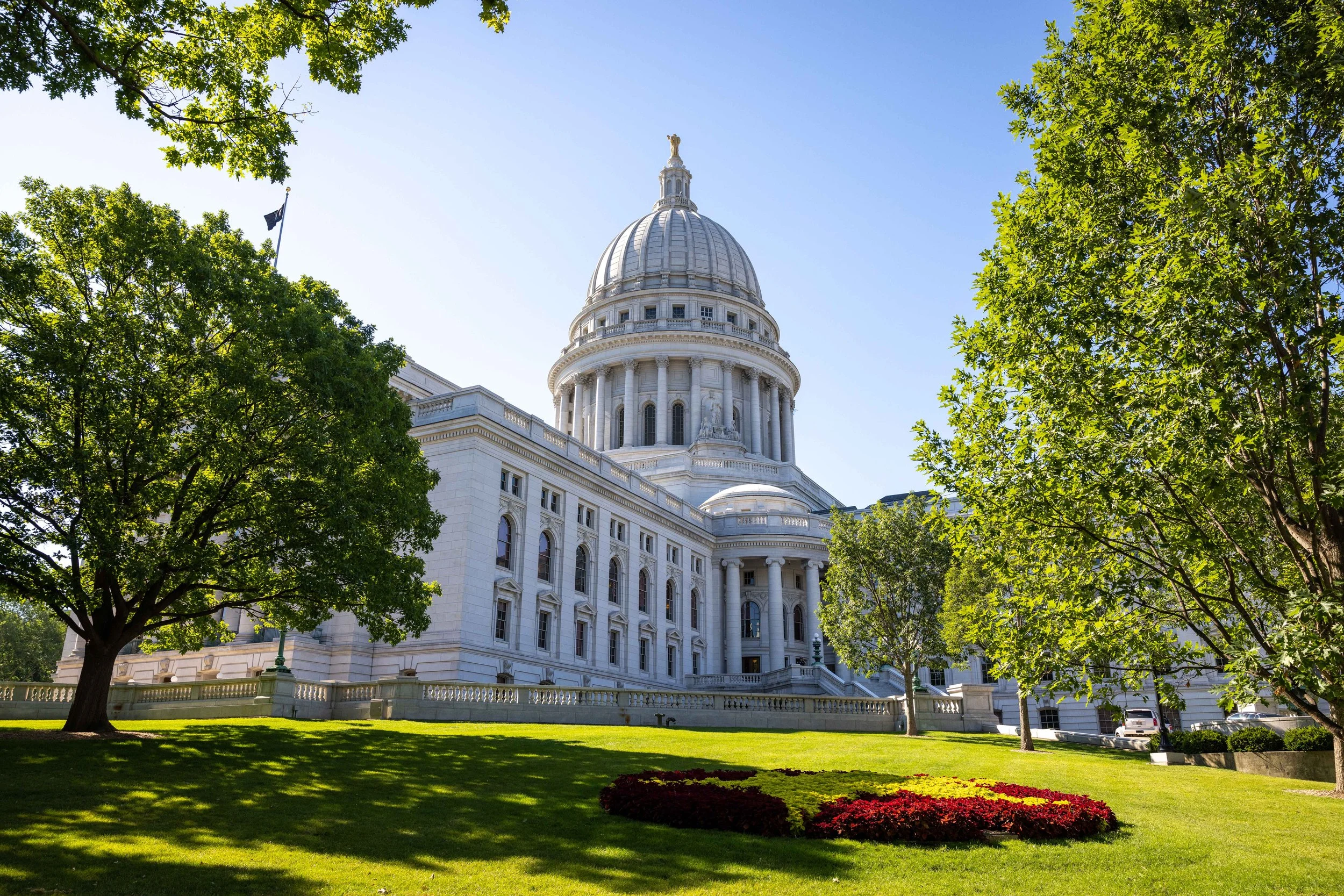
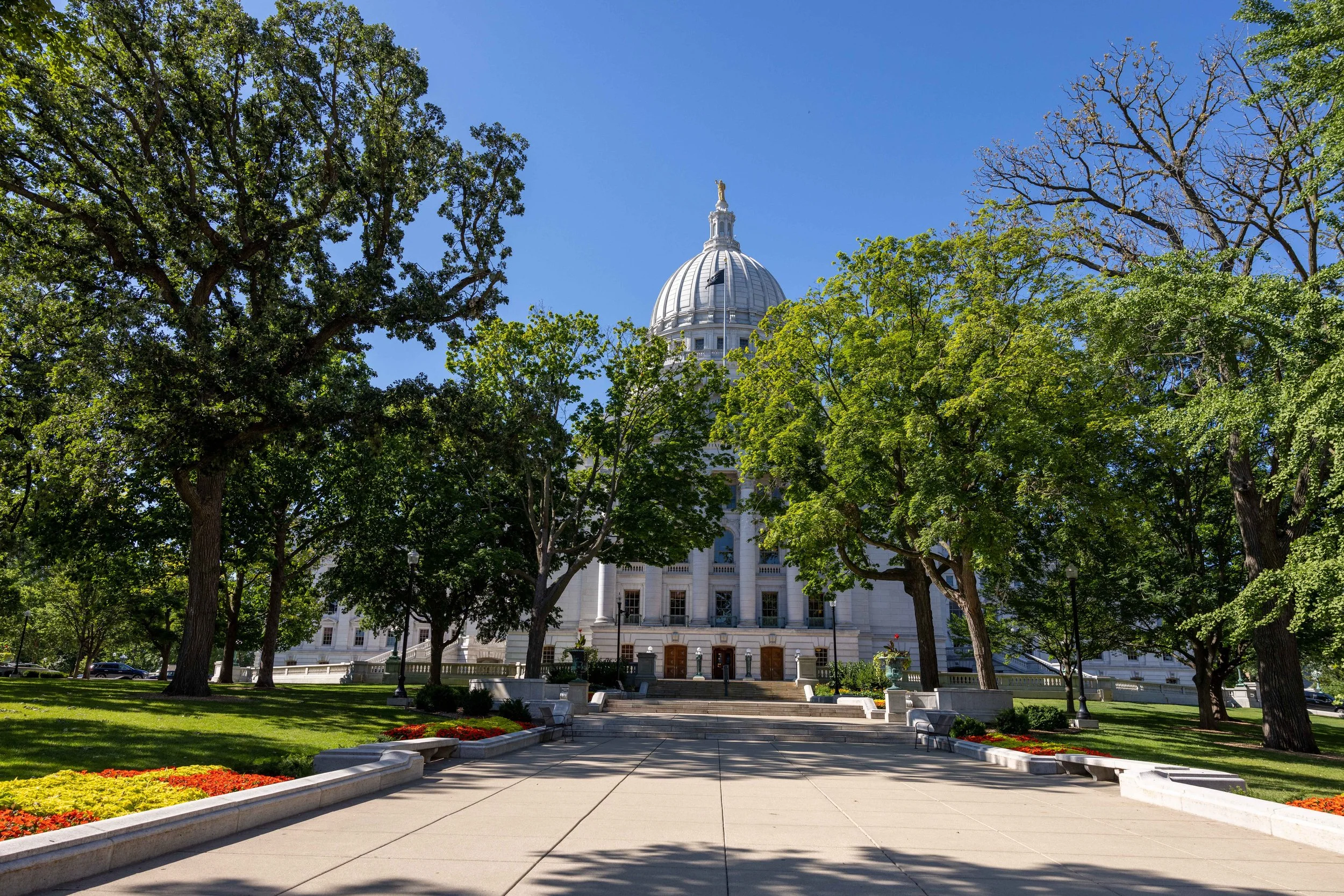
The site now occupied by the Wisconsin state capitol building and downtown Madison has long been a site of Native community life. Oliver LaMere, a Ho-Chunk anthropologist in the early 20th century, learned from tribal elders that it was once the site of a Ho-Chunk village whose leader was was named Wak-Ja-He-Ga (in contemporary Ho-Chunk orthography, [xxxx],). Ho-Chunk people continued to live near this site for many years after settlers built their capitol. Their cornfields occupied spaces that settlers would later claim for houselots, such as the William Freeman Vilas home at 12 Gilman Street.
Even after the Treaty of 1837 demanded the expulsion of the Ho-Chunk from Wisconsin, the capitol became a site of negotiations between settler leaders who wanted the Ho-Chunk expelled from the state, and Ho-Chunk leaders who insisted on remaining on the lands where their lives had unfolded and where their ancestors were buried. Leaders such as Wakąjaxeriga (Roaring Thunder) met with governors repeatedly during the 1830s, 40s, 50s, and 60s, explaining what they and their people wanted: to continue to live peacefully in Wisconsin.
Questions
What is colonization?
Did those Ho-Chunk ancestors overcome removal?
How did they overcome removal?
What did your ancestors endure and overcome?
What are the names of those ancestors?
How do Ho-Chunk people relate to their ancestors?
What type of relationship do you have with your ancestors?
Do we have responsibilities to our ancestors?
What is reconciliation?
What is our personal responsibility in reconciliation?
How do we become good ancestors?
“Quote here from one of the project organizers or artists. Quote here from one of the project organizers or artists. Quote here from one of the project organizers or artists. Quote here from one of the project organizers or artists. Quote here from one of the project organizers or artists. “
Name Here
Oliver LaMere reports that the isthmus was the village of Wak-Ja-he-ga (Water Spirit), Brown Papers Box 21, folder 3
“Memorandum of a Talk held at Four Lakes, April 29, 1833”
Whirling Thunder, White Crow, Little Priest, Spotted Arm and other leaders negotiate with Col. Henry Dodge for additional time before leaving Teejop
Narrative of John T. De La Ronde, Wisconsin Historical Collections VII
Wakąjaxeriga (Roaring Thunder) brought to Madison as a captive in 1846; this is when he gets Gov. Dodge to agree that if the Ho-Chunk do only what is in the Bible that they will be doing right--then asks him to show where in the Bible it says they should move to Iowa.
(Milwaukee) Semi-Weekly Wisconsin, Aug. 21, 1863
“Winnebago Chiefs” meet with Gov. Salomon following the settler panic about their presence in Wisconsin that followed the U.S.-Dakota War in Minnesota. Wakąjaxeriga explains the Ho-Chunk want only to pursue their accustomed way of life while remaining in Wisconsin. Details of this conversation in Onsager, pp. 109-117. Reprinted from Wisconsin State Journal, Aug. 18, 1863, but the scan of that original story is almost illegible.
Janesville Gazette, Nov. 27, 1869
A delegation of eight Ho-Chunk leaders meets Gov. Fairchild at the capitol, mourning the death of “Dandy” and asking to live peaceably among the settlers.
p. 16 description of terrain near L. Mendota
p. 23-24 references to Winnebagos trading with Louis Armel; 500 Winnebagos living on the shore of L. Mendota
p. 52 St. Cyr's cabin on 4th Lake, east of Pheasant Branch, Cty. Hwy M, Middleton
p.50- Judge Doty, Gov of Wisconsin territory hires Strong to survey capitol grounds; excerpts from Strong's diary; fed by Winnebagos near 4th Lake; Rowan living at Poynette
p. 52-53 Strong camped in a ravine between capitol location and the future UW campus; St. Cyr and Winnebago wife feed the surveyor & travelers
p. 159-161 Major H.A. Tenney describes the heavily forested area where the capitol is located
References
p. 18 Michel St. Cyr, French Canadian trader married to a Winnebago woman
p. 17 Fur trader Rowan, L. Mendota Ridge, residence near Johnson Street
p. 17 Fur trader & former miner, Abel Rasdall married a Winnebago woman, retired to Token Creek area
p. 45 Description of lakes and scenery near the capitol
Notes given by Mr. George W. Stoner, oldest resident of Madison, Jan. 15, 1909, CEB 21/2
“The Indians raised corn in the ‘40s where on the hill the Vilas and other residences now stand in the city.”