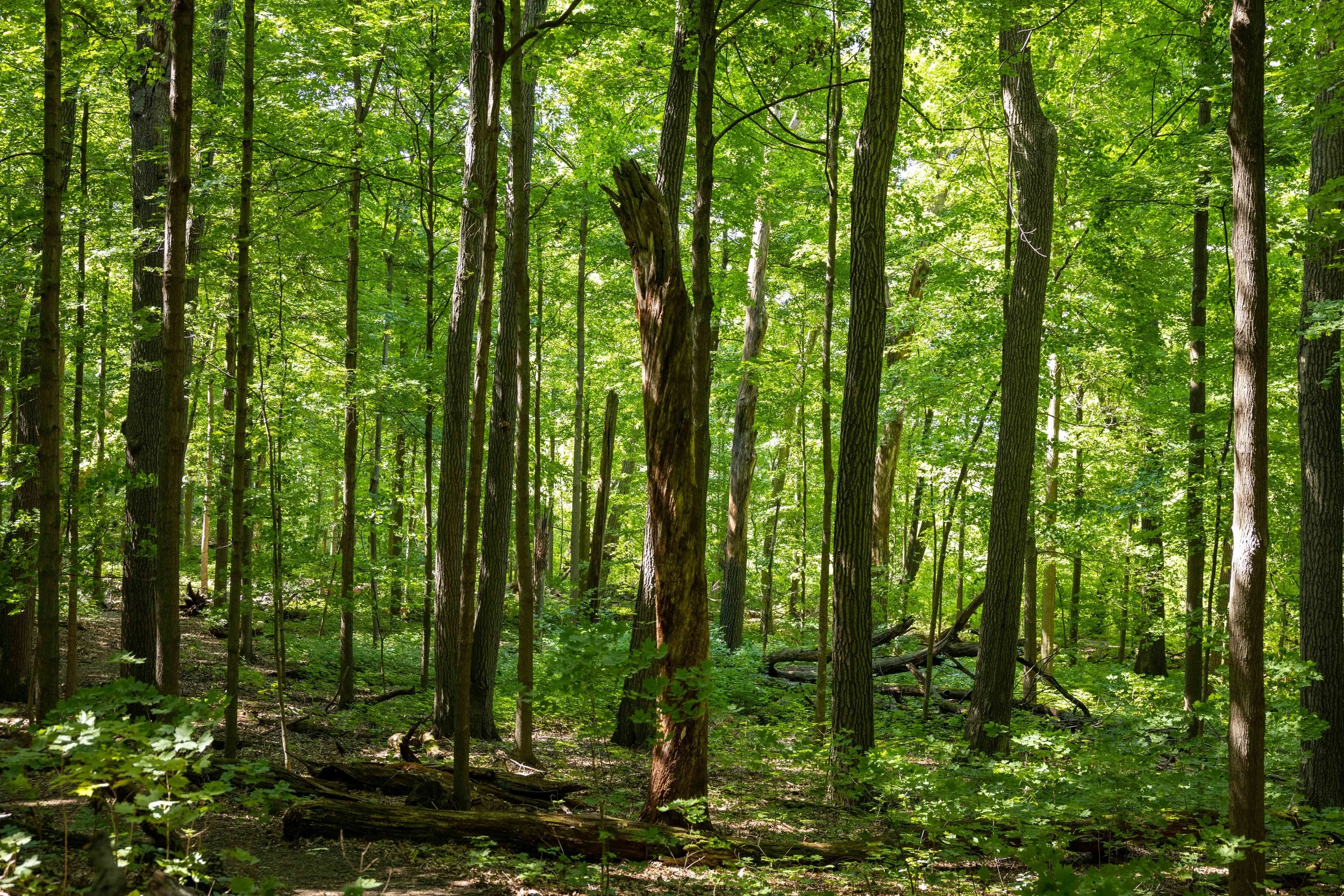
This land is sacred. Its energy and abundance have sustained Wąąkšikra from time immemorial. It sings to our community and transforms all who listen.

ARBORETUM &

LAKE WINGRA

Arboretum &
Lake Wingra

Teejop is part of the Ho-Chunk homeland, and a place many other people have visited and been nourished by.  


Questions

What land?

How do you relate to land?

Is there a particular place that’s special to you?

What happened there to make it special?

What are some of the different ways Indigenous peoples relate to land?

What are some things that are considered sacred?

How do you know it’s sacred? 

What places are recognized as sacred? 

How are they recognized as sacred? 

How do we relate to sacred things? 

How was/is this land abundant? 

How has this land changed over time?

What is energy? 

When you feel energy, what does it feel like? 

What does it mean to listen? 

Do we only use our ears to listen? 

How else do we listen? 

What happens when you’re really listening? 

Is there anything that has transformed you? 

Do cultures have different ways of listening? 

What do Indigenous peoples say about listening? 

What is a song? 

What’s your favorite song? 

Why is it your favorite song? 

What makes something a song? 

Who is the “it” singing this song? 

Can something without a human voice sing?

Can we learn to become better listeners? 

What might we do to become better listeners to the song of this place? 

Are we being transformed by this place now?

How might we be transformed in the future?


“Quote here from one of the project organizers or artists. Quote here from one of the project organizers or artists. Quote here from one of the project organizers or artists. Quote here from one of the project organizers or artists. Quote here from one of the project organizers or artists.“

Name Here

(1874). A history of Madison, the capital of Wisconsin, including the four lake country, to July, 1874: with an appendix of notes on Dane County and its towns. Madison, WI. Atwood Culver Printers.

p. 16 description of terrain near L. Mendota

Peter White Eagle remembers camping in the Arboretum (CEB Box 22 folder 4)

Charles Brown describes Ho-Chunk village and camp sites in today’s Nakoma/Arb area (Box 9)

Good descriptions of land-use

Chief Yellow Thunder provides names for Arboretum springs, streams, etc. (CEB Box 22 folder 4)

Old settler interview about Ho-Chunk camps in the Vilas woods (CEB Box 22 folder 4)


Various Charles Brown accounts of Ho-Chunk using land in Arb/Wingra area after US conquest (22/4)

Taken together, these stories suggest the continuing connection Ho-Chunk people felt to this land, and the ways they continued to treasure and use it across the century that followed the 1832 treaty.


Account of the Arboretum springs (CEB 22/4)

This could also belong in the Merrill Springs section, which seems underdeveloped.


References