
Our values of love and respect are interwoven in every aspect of our culture.
TENNEY PARK


BACKGROUND
Village life in Teejop brought together hundreds of Ho-Chunk people to farm, fish, trap, hunt, and play. Even after the U.S. claimed the land, Ho-Chunk bands continued to make homes on the shores of Teejop’s lakes, from the north shore of Lake Mendota (Wakshikhomigra) to the southern shores of Lake Monona ( ) and on down the watershed of the Yahara River.
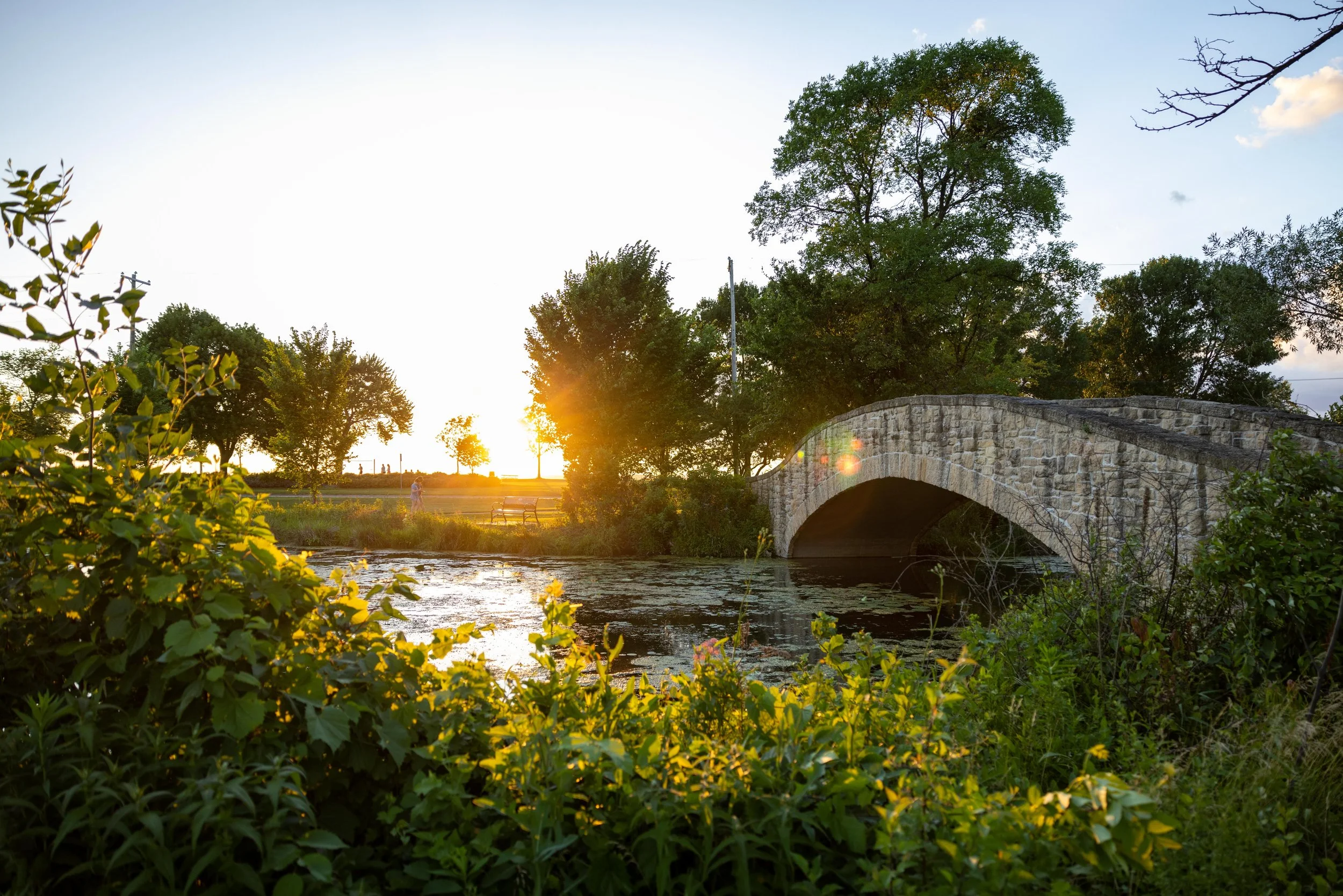
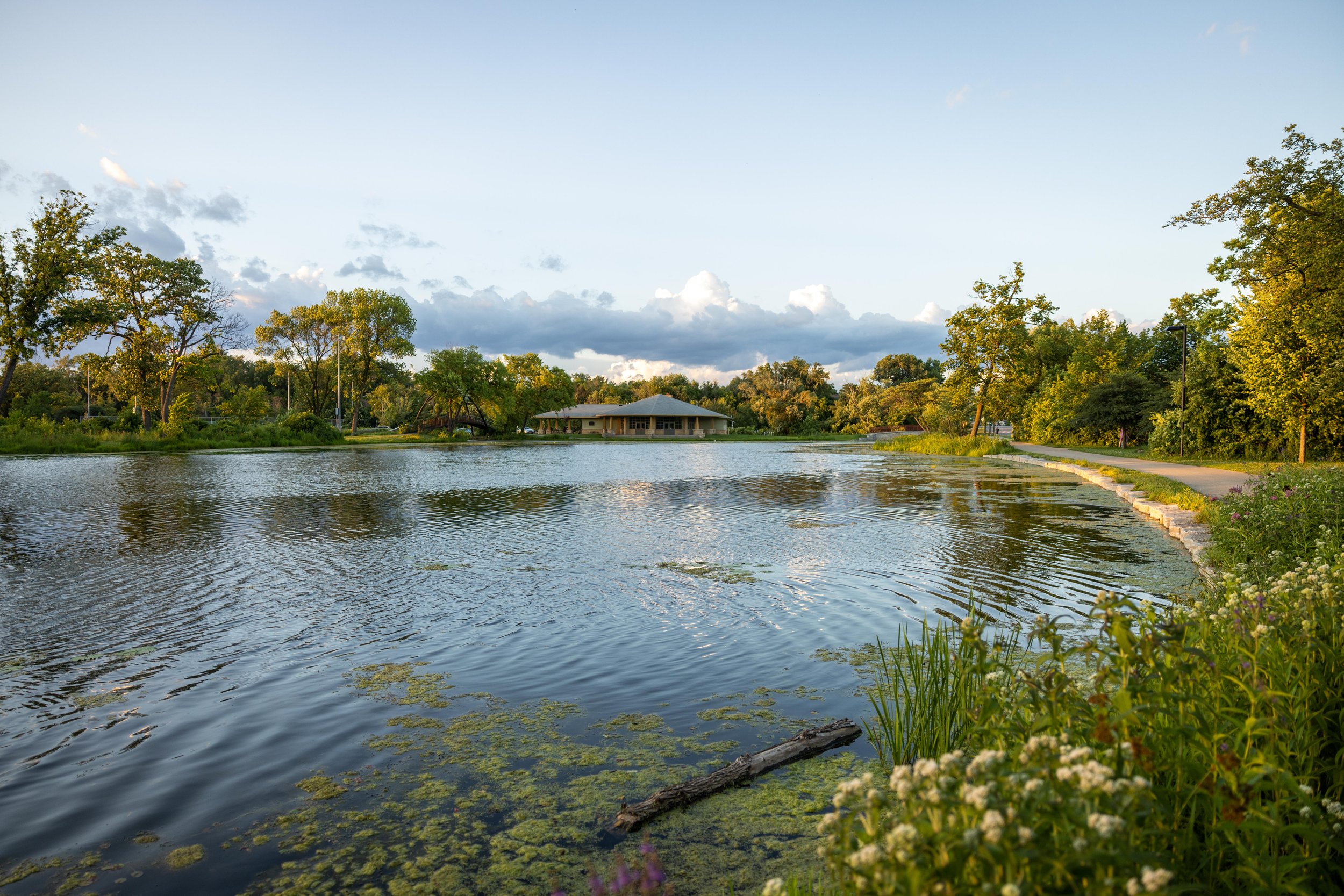
One large village stood on the southern shore of Lake Mendota, in what is today Tenney Park. Family groups lived in ciporoke (wigwams), houses of bark or rush matting over bent-wood frames. They hunted ducks from birchbark and dugout canoes. Their children practiced archery, and men and women undertook various kinds of work, together sustaining the life of their community.
We know some of this from the report of a visiting settler in the 1830s, who was welcomed into the village community for several days even though he had nothing that the Ho-Chunk there wanted in trade. His story shows us some things about how Ho-Chunk people lived together at that time, but let’s also think about the things he didn’t see, or couldn’t. How did Ho-Chunk people live together as families? How did their membership in clans shape their lives, and their relationships with each other? When his story tells us what he saw, what might the Ho-Chunk people he encountered have been thinking, feeling, or wondering?
QUESTIONS
What are love and respect?
Are love and respect related?
How are love and respect related?
Are they related to any other values, like humility?
What do you love and respect?
Who do you love and respect?
How do you personally demonstrate love and respect?
How do you love and respect your family, relatives, and community?
How do Ho-Chunk people love and respect their family, relatives, and community?
What is a clan?
What are the Ho-Chunk clans?
What roles and responsibilities do they have?
Do you have similar responsibilities?
Did Ho-Chunk families and clans live in Teejop prior to removal?
REFERENCES
[I have included accounts of 19th/early 20th-century burial grounds in the Olbrich/Hudson area in case we want to link the mounds to more recent Ho-Chunk practices]
John Blackhawk, “The Winnebago Indians and the Mounds,” 1929 (Brown Papers Box 3, folder 4)
Mounds were built in response to visions. Gives an account of the vision of “a noted chief, Ho-min-ka,” whose village was near or where Madison lies, of “an immense buffalo” who arose out of a lake in a mist and blessed the village, bringing it seven years of prosperity and no death. Speculates that a mound was built in response.
“Fair Oaks Winnebago Indian Camp Sites” (Brown Papers Box 22, Folder 2)
19th-century burying ground on elevation of current Elmside Boulevard
“Lake Monona - Madison Wisconsin” (Brown Papers Box 22, Folder 2)
(Walterscheit farm, across the Starkweather Creek from the current Garver Feed Mill) “Opposite this farm on the lake ridge … was their cemetery … They buried their dead in graves three or four feet in depth and included with the burials some of the possessions of the deceased.” [I think this refers to a site in Olbrich Park adjacent to the current East Side Club]
p. 10 Wilson St. & Wisconsin Ave. mounds
Stephen Peet drawing of Olbrich/Hudson Park mound group, 19th century (Brown Papers